Scan before you drill

Home / Guides

Core drilling checklist

Tick it on your phone or print it for the folder. Nothing you tick is saved or sent anywhere.

3 min read. Facts checked 3 November 2026.

Before you core, anchor or saw-cut concrete

Stop and call the structural engineer if

  • the slab or beam is post-tensioned, or you are not sure
  • a core or saw cut has no permit or approval
  • the bit hits steel

The short version of this page. The details and sources follow below.

Paperwork

Start at the desk, not at the wall.

On the surface

Look around the spot before you scan it, then make the services safe.

Scan

Scan wider than the hole and mark what you find.

Drilling

Drill only when everyone knows when to stop.

Site rules and your engineer's instructions come first. This list does not replace them.

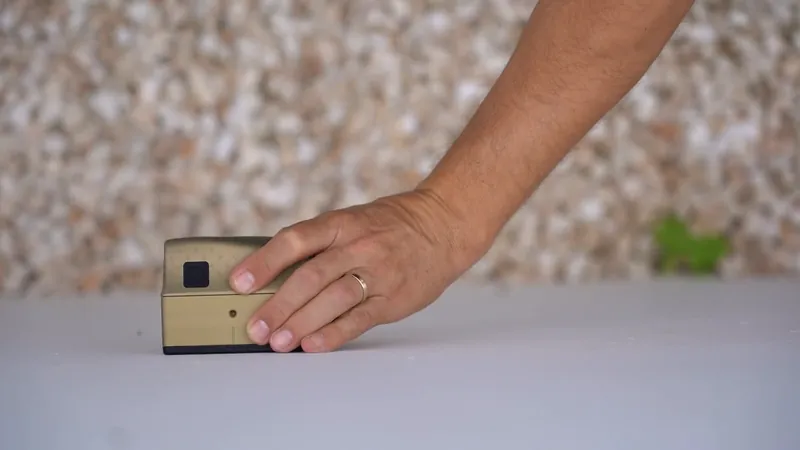
A hand rests on the Eagle XR scanner, flat on a horizontal concrete surface
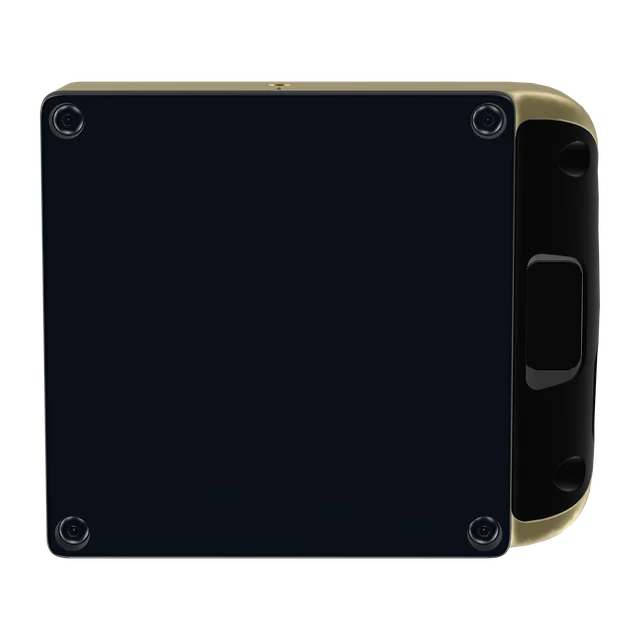
The flat scanning face of Eagle XR, official render

This side goes flat on the surface.

How it is held. On a slab or a ledge the same grip applies: hand on the back, scanning face flat on the concrete. Still from Screening Eagle's launch film; render from Screening Eagle's partner kit.
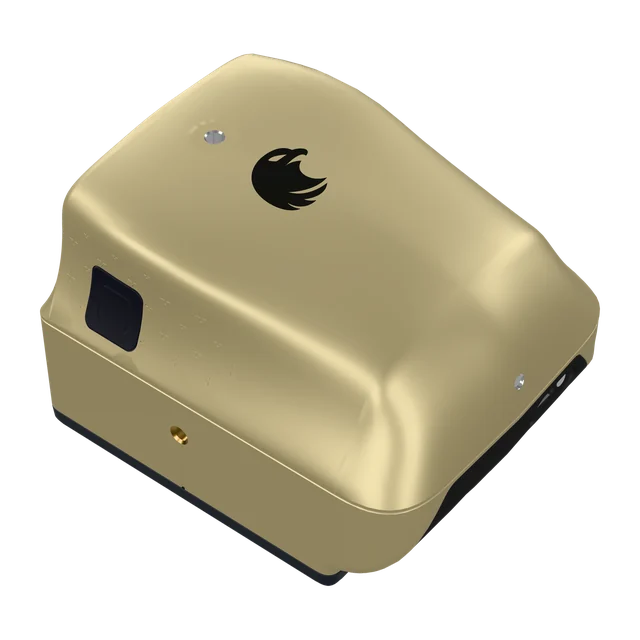
Eagle XR pocket concrete scanner

Want to see inside before the next hole?

Eagle XR is a pocket concrete scanner that pairs with your phone and shows rebar, cables, plastic pipes and air voids at their depth. Stated depth in concrete: up to 40 cm. CHF 3,950 excluding VAT, import taxes and delivery.
Buy in Solar Gold

Partner link: we may earn a commission. You pay Screening Eagle's normal price.

  • Sold and shipped by Screening Eagle
  • Same price in all four finishes
  • Card, Apple Pay or Google Pay
  • Express shipping from Switzerland. US orders ship from Pennsylvania

Read the fact sheet first or see it in 3D

Sources

  1. UK Health and Safety Executive, CIS65 Avoiding concealed services and overhead power lines, www.hse.gov.uk

Summary

What should you check before coring, anchoring or saw-cutting concrete? Check drawings and approvals, make services safe, scan and mark the area, then stop at the first sign of steel.

  • Check structural, electrical and plumbing drawings, and approvals. Site rules and your engineer's instructions come first.
  • Note nearby sockets, switches, boxes, drains, old cores, patches and cuts.
  • Isolate and lock off circuits that could be in the way. If cable locations are unknown, turn the power off before drilling. Locate the water stop valve.
  • Scan lines across and at 90 degrees, past the hole on every side. Mark bars, cables and pipes as lines and note shallow depths.
  • Mark the hole in the gap, with clearance for the full bit or core. Save the scan or a photo of the marks.
  • Prepare the right tool and bit, dust and water control. For through-holes and cores, check and clear the other side before drilling.

Stop and call the structural engineer if the slab or beam is post-tensioned or you are unsure, a core or saw cut has no permit or approval, or the bit hits steel.

A short version of this page, written by AI from the page's own text on 18 November 2026 and checked against it. The details and sources are on the page.